
📋 Table of Contents
- 1.Definition and Origin of Japchae-bokkeum
- 2.Key Characteristics of Japchae-bokkeum
- 3.Ingredients and Types of Jinmichae
- 4.History and Popularization of Japchae-bokkeum
- 5.Popular Japchae-bokkeum Recipe and Cooking Method
- 6.Nutrition and Storage of Japchae-bokkeum
- 7.Recent Market Trends for Jinmichae and Japchae-bokkeum
- 8.Diverse Uses and Variations of Japchae-bokkeum
Have you ever tried Japchae-bokkeum? It’s one of Korea’s most beloved side dishes, and I bet you’ve seen it in many Korean restaurants or even in K-dramas! This delicious stir-fried dried squid dish is not just yummy; it also has an interesting story behind it. Today, I’m excited to tell you all about this amazing Korean treat! 😊
Whether you’re looking for a quick snack or a perfect side dish for your meal, Japchae-bokkeum is always a great choice. Let’s dive in and explore everything about it together!
1. Definition and Origin of Japchae-bokkeum
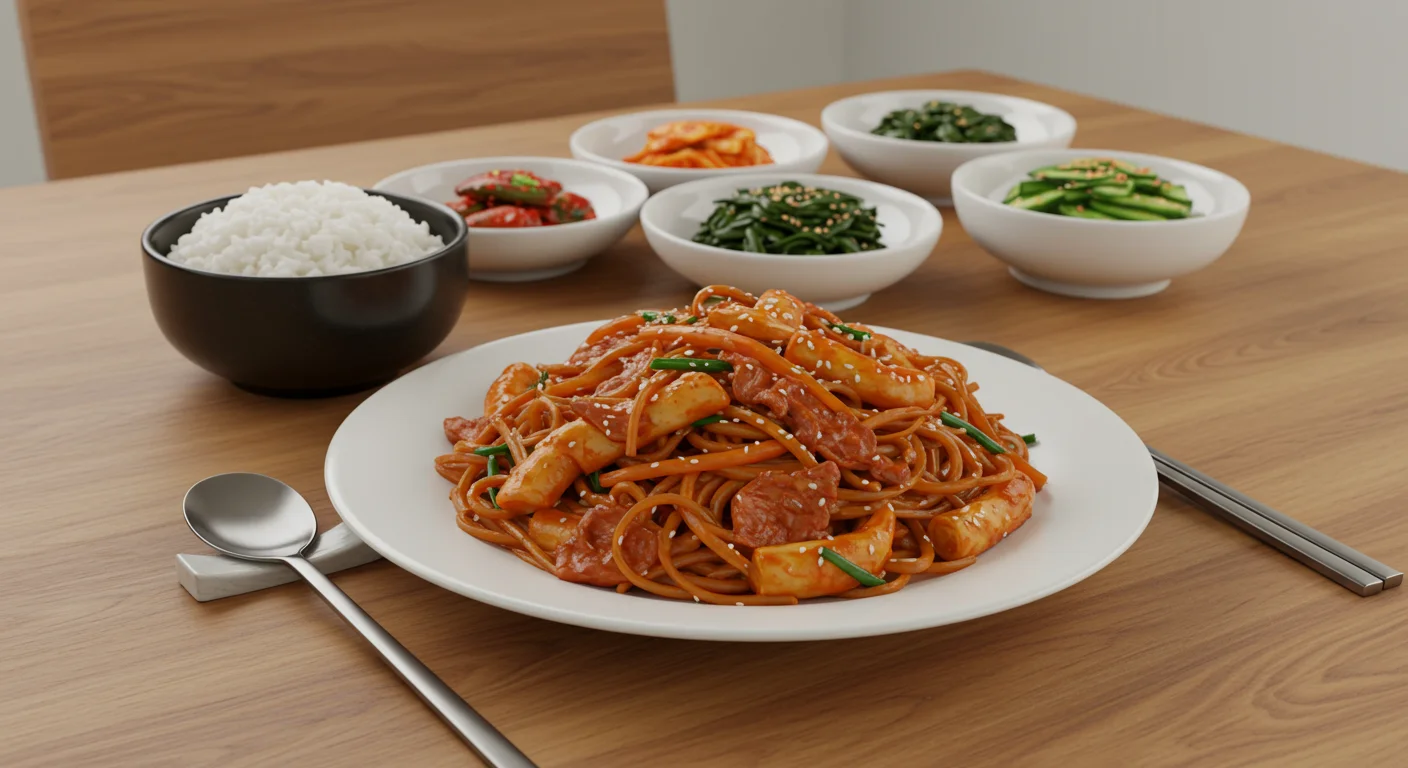
A plate of delicious Japchae-bokkeum.
So, what exactly is Japchae-bokkeum? It’s a popular Korean side dish made by tearing peeled squid into small pieces, marinating them in a special sauce, and then stir-frying them. It’s often called ‘Jinmichae-bokkeum’ because the ingredient, Jinmichae, became a standard Korean word in May 2024, originating from a brand name of processed squid products launched by Sajo Oyang in 1985.
In some regions like Gyeongsang-do, people might call it ‘Ilmi’ too! Isn’t it fascinating how a dish can have different names and such an interesting history? If you want to learn more about the ingredient, you can check out this Namuwiki page on Ojing-eochae.
2. Key Characteristics of Japchae-bokkeum
The best thing about Japchae-bokkeum is its amazing taste and texture! It’s usually spicy and sweet at the same time, with a super chewy texture that makes you want more.
You’ll find it everywhere – as a perfect side dish for rice, a delicious snack with drinks, in convenience store lunch boxes, and even in military meals! It’s truly a part of everyday Korean life. Here are some key characteristics:
What makes Japchae-bokkeum special? 📝
- Flavor: A perfect blend of spicy and sweet.
- Texture: Delightfully chewy and sometimes soft if prepared with mayonnaise.
- Versatility: Great with rice, as a snack, or in lunchboxes.
- Popularity: A staple in Korean households and institutions.
3. Ingredients and Types of Jinmichae
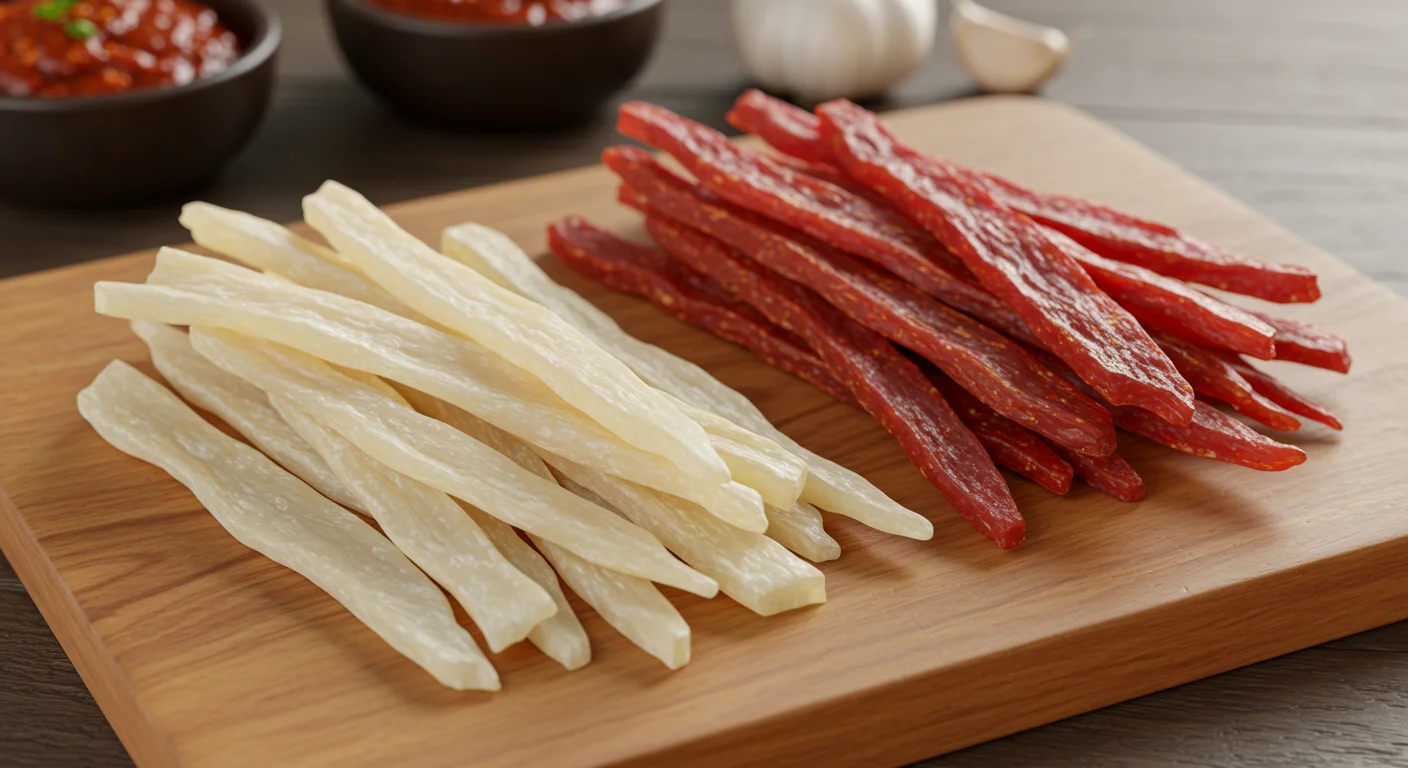
White and red Jinmichae (dried squid strips) with ingredients.
The main ingredient for Jinmichae is usually imported squid, like Humboldt squid from Peru, making up 52-88% of the product. The rich flavor comes from other Korean ingredients such as gochujang (Korean chili paste), garlic, chili powder, corn syrup, soy sauce, and sesame seeds.
Did you know there are different kinds of Jinmichae? They are mainly divided by whether the squid skin is removed:
| Type of Jinmichae | Description |
|---|---|
| Baek-jinmichae (백진미채) | White, with the squid skin removed. It tends to be softer. |
| Hong-jinmichae (홍진미채) | Reddish, with the squid skin still on. It has a slightly richer flavor. |
Each type offers a slightly different experience, so you can choose based on your preference! You can find more details about various ingredients and processed squid products on the Gukbedal product page.
4. History and Popularization of Japchae-bokkeum
The story of Japchae-bokkeum becoming super popular really took off after the mid-1980s. This was when the processed food industry started growing a lot in Korea!
It quickly became a common sight in school lunchboxes, military meals, and convenience store 도시락 (dosirak, lunchboxes). It’s still a beloved homemade side dish that people enjoy regularly. Recently, there are even new recipes that focus on being healthier, like low-sodium and low-sugar Japchae-bokkeum, which is great!
Japchae-bokkeum became a household name thanks to its convenience and delicious taste, fitting perfectly into the busy lives of modern Koreans.
This dish truly shows how traditional flavors can adapt and remain popular through changing times. You can explore more about its widespread presence on Wikipedia (Ojing-eochae-bokkeum).
5. Popular Japchae-bokkeum Recipe and Cooking Method
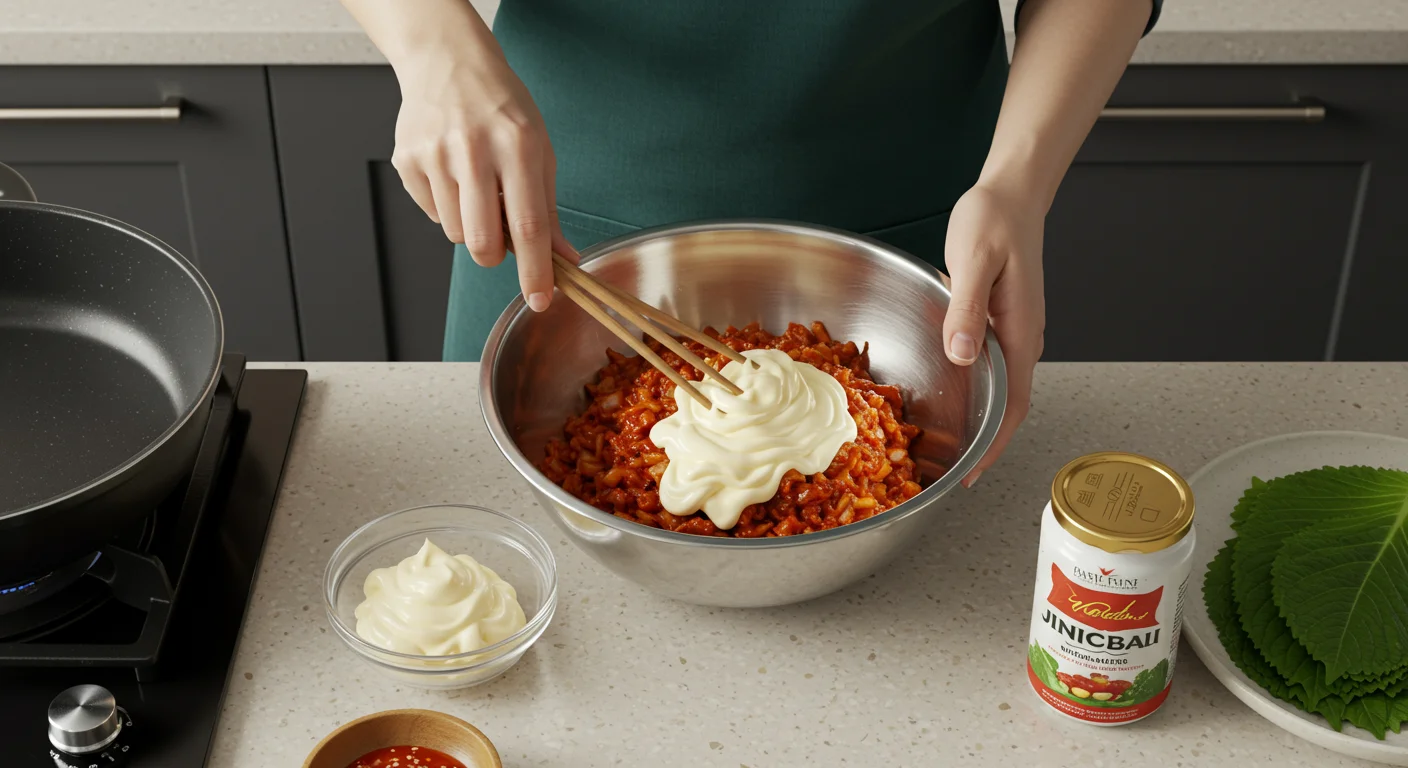
Mixing Jinmichae with mayonnaise in a bowl.
Making Japchae-bokkeum at home is easier than you think! A classic recipe involves a few key steps and ingredients that create that perfect balance of flavors.
Classic Japchae-bokkeum Recipe (Example) 📝
- Ingredients: 2 handfuls of Jinmichae, 2 spoons of mayonnaise, 2 spoons of gochujang, 5 spoons of mirin, 0.5 spoon of minced garlic, 2 spoons of oligosaccharide, 1 spoon of chili powder, 1 spoon of sugar, 0.5 spoon of soy sauce.
- Step 1: Prepare Jinmichae. Cut the Jinmichae into bite-sized pieces and marinate them with mayonnaise. This step is a secret to making it super soft and delicious!
- Step 2: Make the Sauce. Mix all the other sauce ingredients in a pan and bring to a boil.
- Step 3: Stir-fry. Add the mayonnaise-marinated Jinmichae to the boiled sauce and stir-fry quickly. Be careful not to cook it for too long, or it might become tough!
The mayonnaise really helps to make the Japchae-bokkeum soft and savory. For more soft and delicious recipes, you can watch this YouTube video (Eonamseonsaeng Recipe)!
6. Nutrition and Storage of Japchae-bokkeum
While Japchae-bokkeum is incredibly tasty, it’s good to know about its nutritional aspects too! Dried squid is rich in protein, minerals, and Omega-3, which are all great for your body.
However, because it’s usually made with a sweet and spicy sauce, it can be high in sodium and sugar. So, it’s best to enjoy it in moderation!
Japchae-bokkeum is delicious, but it’s often high in sodium and sugar. Enjoy in appropriate portions to maintain a balanced diet.
For storage, Japchae-bokkeum is best kept in the refrigerator and eaten within 5-7 days. If you make it without mayonnaise, it might last a bit longer. Always make sure to store it properly to keep it fresh and tasty!
7. Recent Market Trends for Jinmichae and Japchae-bokkeum
It’s interesting to see how market trends affect our favorite foods! In 2024, the price of Jinmichae and dried squid has gone up a lot. This is mainly because of rising raw squid prices and changes in climate, which impact squid populations.
If you’re buying Jinmichae online, it might cost around 5,000-7,000 won per 100g. For ready-made Japchae-bokkeum side dishes, expect to pay between 8,000-20,000 won per 100g. Even with price changes, many different processed foods related to Jinmichae are still coming out, like special sauces just for Japchae-bokkeum! You can read more about the price surge here.
Due to rising squid prices, the cost of Jinmichae and Japchae-bokkeum has increased, but new processed products and recipes are continuously being developed.
8. Diverse Uses and Variations of Japchae-bokkeum
One of the coolest things about Japchae-bokkeum is how versatile it is! It’s not just for rice; you can use it in so many creative ways. I’ve seen it as a side dish for meals, a yummy snack with drinks, in lunchboxes, and even as a topping for salads!
People are getting really creative with new recipes too. Imagine Japchae-bokkeum combined with mayonnaise, nuts, vegetables, or even cheese! These new variations add exciting flavors and textures. Plus, more people are looking for healthier options, so recipes using oligosaccharides instead of sugar or low-sodium soy sauce are becoming quite popular. It’s a dish that keeps evolving!
Creative ways to enjoy Japchae-bokkeum 💡
- Classic side dish: The most common and beloved way to enjoy it.
- Lunchbox staple: Easy to pack and delicious on the go.
- Salad topping: Adds a chewy and flavorful kick to your greens.
- Unique combinations: Experiment with nuts, cheese, or fresh vegetables.
- Healthier versions: Look for recipes using less sugar and salt.
📚 Recommended Articles
Japchae-bokkeum: A Delicious Summary 📝
Let’s quickly recap what we’ve learned about Japchae-bokkeum, the amazing Korean dried squid stir-fry!
- Definition & Origin: It’s a popular Korean side dish made from shredded squid, with its name Jinmichae now a standard Korean word.
- Key Features: Known for its spicy, sweet, and chewy texture, often softened with mayonnaise.
- Ingredients & Types: Primarily made with imported squid, categorized into Baek-jinmichae (peeled, white) and Hong-jinmichae (skin-on, reddish).
- Popularity: Gained widespread popularity since the mid-1980s, becoming a staple in various Korean meals.
- Cooking Tip: Adding mayonnaise makes it softer; avoid overcooking to prevent toughness.
- Nutrition & Storage: Rich in protein and Omega-3, but high in sodium and sugar; best consumed within 5-7 days refrigerated.
- Market & Uses: Facing price increases due to squid prices, but remains versatile in dishes and is constantly evolving with new recipes.
Japchae-bokkeum at a Glance!
Frequently Asked Questions ❓
I hope you enjoyed learning all about Japchae-bokkeum today! This special Korean side dish is truly a delight, offering a blend of flavors and textures that many people adore. From its interesting history to the simple steps of making it at home, there’s so much to appreciate about this tasty treat. If you have any more questions or want to share your favorite Japchae-bokkeum memories, please leave a comment below! 😊